
Choosing the Right Dental Crown: A Breakdown of Materials That Fit Your Smile
Explore the Different Types of Dental Crowns
Choosing the right dental crown can make a big difference in the look, feel, and function of your smile. Modern dental crowns come in several materials, each offering unique benefits for strength, appearance, and long-term performance. Our team works with patients to explore the types of dental crowns available in Grand Rapids, MI. We make it easier to find an option that suits individual goals, lifestyle, and dental needs. From natural-looking ceramic restorations to durable metal-based solutions, each choice deserves careful consideration. This blog breaks down common crown materials, explains what makes each one unique, and shares helpful tips for selecting a crown that blends with your natural teeth.
Understanding Dental Crowns and Why Material Matters
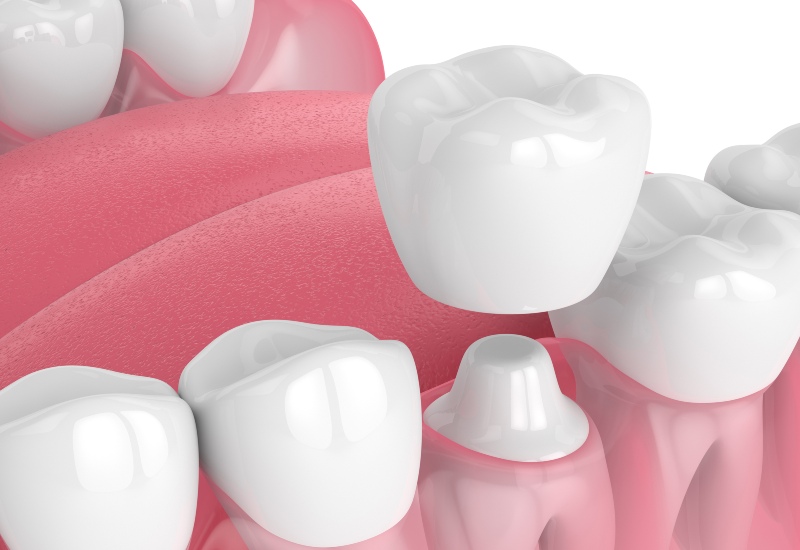
Dental crowns are custom-made restorations that cover and protect teeth affected by decay, injury, wear, or large fillings. They restore strength, function, and appearance, helping patients maintain a healthy and confident smile. Selecting the right dental crown material is an important part of the process because each option offers different benefits. Some materials provide enhanced durability for chewing, while others create a highly natural look. The ideal choice depends on factors such as tooth location, appearance goals, and long-term dental needs.
Types of Dental Crowns: An Overview
Patients can choose from several different types of dental crowns, each designed to meet specific needs for appearance, durability, and function. The right option depends on factors such as the tooth’s location, cosmetic preferences, and biting pressure. Learning about the most common crown materials can help make the decision process easier and more informed:
- Porcelain Crowns – Porcelain crowns closely match the color and translucency of natural teeth. They are a popular choice for visible teeth because they create a natural, attractive appearance.
- Ceramic Crowns – Ceramic crowns provide a natural look while remaining strong enough for many areas of the mouth. They’re often selected by patients who want a meal-free restoration.
- Metal Crowns – Metal crowns offer exceptional strength and long-term durability. They can withstand heavy chewing forces, making them a practical option for molars.
- Porcelain-Fused-to-Metal Crowns – These crowns combine the strength of a metal base with the appearance of porcelain. They offer a balance between durability and aesthetics for many patients.
- Zirconia Crowns – Zirconia crowns are highly durable and resistant to wear. Their strength and natural appearance make them a popular choice for modern restorations.
Comparing Dental Crown Materials
A thoughtful dental crown material comparison can help patients choose a restoration that aligns with their smile goals and daily needs. Each crown material offers a unique combination of aesthetics, durability, and longevity. Understanding how these options differ makes it easier to discuss treatment preferences and select a crown that supports appearance and function:
- Porcelain vs Metal – Porcelain crowns provide a highly natural appearance that blends well with surrounding teeth. Metal crowns offer greater resistance to heavy biting forces and long-term wear.
- Ceramic vs Zirconia – Ceramic crowns create excellent aesthetic results and a lifelike finish. Zirconia crowns deliver impressive strength while still maintaining an attractive appearance.
- Porcelain-Fused-to-Metal vs All-Ceramic – Porcelain-fused-to-metal crowns combine a durable metal foundation with a tooth-colored exterior. All-ceramic crowns offer a completely metal-free solution with outstanding cosmetic appeal.
- Front Teeth vs Back Teeth Applications – Tooth-colored materials are often chosen for highly visible areas of the smile. Stronger materials are frequently selected for molars that experience greater chewing pressure.
- Appearance vs Durability – Some crown materials prioritize realistic color matching and translucency. Others focus on providing maximum strength and long-lasting performance under daily use.
How to Choose the Best Dental Crown for Your Smile
Selecting the best dental crown starts with understanding your needs and goals. The tooth’s location, the biting force it can withstand, and your desired appearance all play a role in this decision. Front teeth often benefit from materials that provide excellent color matching, while back teeth may require added strength for everyday chewing. Budget, longevity, and lifestyle preferences can also influence the ideal choice. A professional dental evaluation helps determine which crown material offers the right balance of durability, comfort, and natural-looking results. With the right selection, your restoration can complement your smile while supporting long-term oral health.
How to Choose the Right Dental Crown Color
Choosing the right dental crown color helps create a natural, balanced smile that complements your existing teeth. Dentists consider several factors when selecting a shade, including the color of nearby teeth, tooth brightness, and the overall appearance of your smile. A crown should blend with your surrounding teeth while matching your facial features. Lighting conditions can also affect how a shade appears, which is why careful color selection is important. Patients who are considering teeth whitening often benefit from completing that treatment before choosing a crown color. Thoughtful shade matching helps ensure a restoration looks attractive and consistent with the rest of your smile.
The Benefits and Limitations of Different Crown Materials
Each crown material offers a unique combination of advantages and considerations. Some options prioritize a natural appearance, while others focus on durability and long-term strength. Understanding the benefits and limitations of common crown materials can help patients make informed decisions about their restorative treatment and choose a solution that fits their goal:
- Porcelain Crowns – Porcelain crowns provide excellent aesthetics and blend naturally with surrounding teeth. They may not offer the same level of strength as some materials used in heavy-chewing areas.
- Ceramic Crowns – Ceramic crowns create a lifelike appearance and provide a metal-free restoration option. They can be less durable than certain high-strength materials in areas that experience significant biting pressure.
- Metal Crowns – Metal crowns deliver outstanding durability and can withstand years of daily use. Their metallic appearance makes them a less common choice for highly visible teeth.
- Porcelain-Fused-to-Metal Crowns – These crowns combine the strength of metal with the cosmetic benefits of porcelain. Over time, wear or gum changes can make the metal foundation more noticeable near the gumline.
- Zirconia Crowns – Zirconia crowns offer exceptional strength and an attractive appearance. In some cases, their durability can make adjustments more challenging than with other materials.
Working With Your Dentist to Make the Right Choice
Working closely with your dentist can make choosing a dental crown a simple and comfortable experience. During your consultation, several factors will be reviewed, including the condition of the tooth, its location in the mouth, and your goals for appearance and function. Different crown materials offer distinct benefits, so professional guidance can help narrow the options. Discussions about durability, aesthetics, and long-term performance provide valuable insight into what may work best for your needs. A personalized recommendation supports a confident decision and helps create a restoration that looks great, feels comfortable, and complements your smile.
Bring Back Your Smile
Selecting from the many types of dental crowns available today can feel much easier when you have clear information and professional guidance. The right crown can restore comfort, enhance your appearance, and support long-term oral health. A personalized evaluation helps determine which material best matches your needs, goals, and lifestyle. Dentistry By Design helps patients in Grand Rapids, MI make informed decisions about their dental care. Contact our team today to schedule an appointment and learn which crown option can help you achieve a healthy, confident smile.
Dental Crown FAQs
Which Dental Crown Material Looks the Most Natural?
Porcelain and ceramic crowns are often considered the most natural-looking options. These materials closely match the color and translucency of natural teeth.
How Long Do Dental Crowns Last?
Dental crowns can last many years with proper care and regular dental visits. Their lifespan depends on factors such as the material used, oral hygiene habits, and daily wear.
Are Metal Crowns Still Used Today?
Yes, metal crowns remain a reliable restorative option. They are especially useful for molars because they resist wear and withstand heavy chewing pressure.
How Do Dentists Choose the Right Crown Color?
Dentists evaluate the shade, brightness, and tone of surrounding teeth when selecting a crown color. This process helps ensure the restoration blends naturally with your smile.
Are Dental Crowns Comfortable to Wear?
Dental crowns are designed to fit comfortably and function like natural teeth. Once properly adjusted, most patients quickly become accustomed to their restoration.
Spot Early Signs of Gum Recession
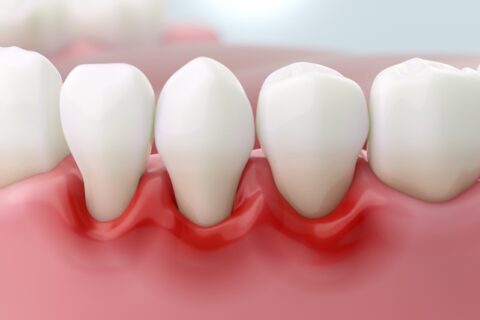
Healthy gums support a confident smile, and knowing what to look for can make a big difference in your long-term…

Why Your Smile Matters
Your smile often speaks before you do, creating lasting impressions in personal and professional interactions. Feeling proud…