
How to Spot Early Signs of Gum Recession
Spot Early Signs of Gum Recession
Healthy gums support a confident smile, and knowing what to look for can make a big difference in your long-term oral health. Small changes along the gumline often appear gradually, making them easy to overlook during daily brushing and flossing. In this blog, we’ll explain how to recognize changes in your gums, what those changes may mean, and when it may be time to schedule a dental evaluation. At Dentistry By Design in Grand Rapids, MI we help patients identify the early signs of gum recession so they can protect their smiles and enjoy healthy teeth and gums for years. Our team is passionate about patient education, modern dental care, and comfortable treatment around your needs.
What Is Gum Recession and Why Early Detection Matters
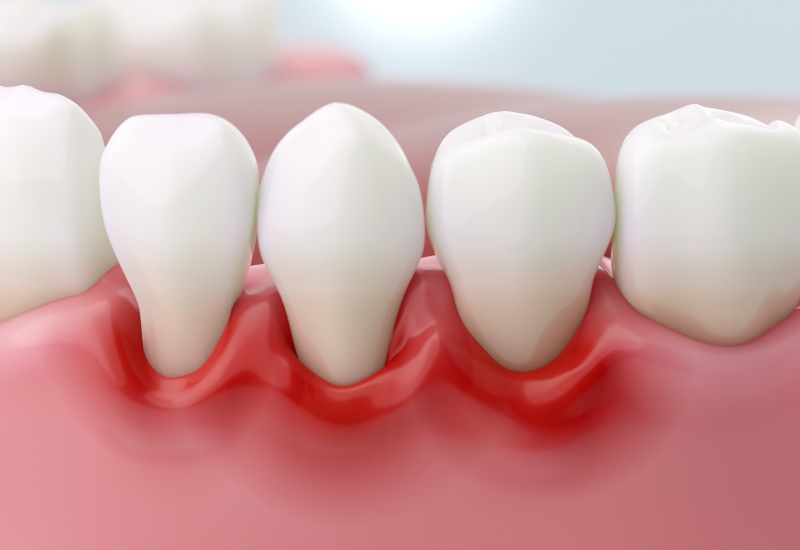
Gum recession occurs when gum tissue gradually pulls back from the teeth, exposing more of the tooth surface near the gumline. This change can make teeth appear longer and may affect overall gum health if left unaddressed. Common gum recession symptoms include increased tooth sensitivity, visible changes along the gumline, and teeth that seem more exposed than before. Early detection allows patients to protect healthy gum tissue and maintain strong support for their teeth. Prompt dental evaluations can help identify the cause of recession and guide treatment options that promote lasting oral health, comfort, and confidence in your smile.
Early Signs of Gum Recession to Watch For
The earliest changes in gum health can be subtle, which makes routine self-checks and dental visits valuable. Paying attention to gum health warning signs may help you spot concerns before they progress. If you notice changes in how your teeth or gums look or feel, a professional evaluation can provide helpful guidance and support in maintaining a healthy smile. Below are a few early signs of gum recession to be on the lookout for:
- Tooth Sensitivity Develops During Everyday Activities – You may notice a quick response to cold drinks, hot foods, or sweet snacks. Increased sensitivity can occur when more of the tooth surface becomes exposed near the gumline.
- Teeth Appear Slightly Longer Than Before – A closer look in the mirror may reveal more visible tooth structure near the gums. Small changes in appearance are often among the earliest signs of recession.
- A Notch Forms Near the Gumline – Some patients notice a small groove or indentation where the tooth meets the gum tissue. This change can signal that the gumline has shifted over time.
- Gums Look Uneven Around Certain Teeth – One tooth may appear to have a higher gumline than the neighboring teeth. Variations in gum height can indicate localized recession that warrants attention from a dental professional.
Gum Health Warning Signs You Shouldn’t Ignore
Healthy gums support your teeth and help you maintain a comfortable smile. Changes in the condition of your gums can provide valuable clues about your overall oral health. Understanding the connection between oral health and receding gums can help you recognize concerns early and seek care before they affect the health and appearance of your smile:
- Your Gums Bleed During Brushing or Flossing – Healthy gum tissue should remain comfortable during daily oral hygiene routines. Consistent bleeding may indicate irritation that deserves a professional evaluation.
- Persistent Redness Develops Along the Gumline – Gums should have a firm, healthy appearance and color. Visible redness can signal inflammation that may contribute to future gum concerns.
- Swelling Appears Around Certain Teeth – Puffy gum tissue can make areas of the mouth feel uncomfortable or look different than usual. Early attention may help preserve healthy gums and teeth.
- Teeth Feel Looser Than They Once Did – Strong gums and supporting structures help keep teeth stable. Any noticeable movement should be discussed with a dental professional as soon as possible.
- Chronic Bad Breath Continues Despite Brushing – Fresh breath often reflects a healthy oral environment. Ongoing odor may be linked to bacteria and gum issues that benefit from dental care.
Common Causes of Gum Recession
Many factors can influence the position and health of your gum tissue over time. Learning about the causes of gum recession can help you make informed decisions about your oral care routine and dental visits. Some cases relate to daily habits, while others develop from existing oral health conditions. Identifying contributing factors early supports healthier gums and helps preserve the natural foundation of your smile:
- Gum Disease Affects the Tissue That Supports Your Teeth – Bacteria can irritate the gums and lead to changes in the gumline over time. Professional treatment helps restore healthier conditions and protect surrounding structures.
- Brushing With Excessive Force Can Wear Down Gum Tissue – Firm brushing may gradually affect the gumline, especially when paired with a hard-bristled toothbrush. Gentle brushing techniques help keep gums comfortable and healthy.
- Teeth Grinding Places Extra Pressure On the Teeth and Gums – Repeated clenching or grinding can create stress throughout the mouth. A dental evaluation can determine whether protective solutions may be beneficial.
- Misaligned Teeth Can Create Uneven Pressure During Biting and Chewing – Certain areas of the gums may experience more force than others during daily function. Addressing alignment concerns can support long-term oral health.
- Tobacco Use Can Affect the Condition of Gum Tissue – Healthy gums rely on strong support from the surrounding oral environment. Choosing habits that promote gum health can contribute to a healthier smile over time.
How to Detect Gum Recession Early
Knowing how to detect gum recession early starts with paying close attention to small changes in your mouth. Check your gums regularly while brushing, and look for teeth that appear longer, uneven gumlines, or increased sensitivity to hot, cold, or sweet foods. A mirror can help you spot exposed tooth roots or changes near the gumline that were not present before. Regular dental exams are equally important because professional evaluations can identify subtle signs that may be difficult to notice at home. Early detection supports timely care, helping you maintain healthy gums, comfortable function, and a confident smile.
Gum Recession Prevention Tips
Healthy habits can make a meaningful difference in protecting your gums over the years. Following smart gum recession prevention tips helps support strong gum tissue and maintain a healthy smile. Consistent home care and regular dental visits work together to keep your teeth and gums in excellent condition. Here are a few gum recession prevention tips:
- Use a Soft-Bristled Toothbrush and Gentle Technique – Gentle brushing removes plaque while helping protect delicate gum tissue. Small circular motions can clean your teeth without placing excess stress on the gums.
- Brush and Floss Every Day – Consistent oral hygiene helps reduce plaque and bacteria that can irritate the gums. Clean teeth and gums create a healthier environment throughout the mouth.
- Schedule Regular Dental Checkups and Cleanings – Routine visits allow dental professionals to monitor changes in your gum health. Early care can address concerns before they have a larger impact on your smile.
- Wear a Nightguard If You Grind Your Teeth – Teeth grinding can place pressure on the teeth and surrounding structures. A custom nightguard helps protect your smile while you sleep.
- Maintain a Balanced Diet and Stay Hydrated – Nutritious foods support healthy gums and overall wellness. Drinking plenty of water helps keep your mouth clean and comfortable throughout the day.
Gum Recession Treatment Options
Several gum recession treatment options can help protect your teeth and support healthier gums. Treatment begins with identifying the cause of the recession and creating a plan that fits your needs. Professional cleanings can remove harmful buildup and improve gum health, while periodontal therapy may help address active gum disease. Patients who clench or grind their teeth may benefit from a custom nightguard to reduce pressure on their teeth and gums. For advanced cases, gum grafting procedures can restore lost tissue and improve gumline coverage. Early treatment often leads to greater comfort, better oral health, and a more confident smile.
Explore Your Gum Recession Treatment Options Today
Recognizing the early signs of gum recession can help you take positive steps to protect your oral health and preserve your smile. Changes along the gumline, increased sensitivity, and other subtle symptoms deserve attention from a dental professional. Our team provides comprehensive dental care for patients throughout Grand Rapids, MI with a focus on healthy gums, comfortable treatment, and lasting results. We’re ready to evaluate your concerns, explain your options, and help you maintain a strong, confident smile. Connect with us today to schedule an appointment and support our long-term gum health.
Gum Recession FAQs
Can Gum Recession Happen Without Pain?
Yes, gum recession often develops gradually and may not cause discomfort in its early stages. Regular dental visits can help identify changes before noticeable symptoms occur.
How Do Dentists Diagnose Gum Recession?
Dentists diagnose gum recession through a comprehensive oral examination and measurements of the gum tissue. Dental X-rays may also be used to evaluate the supporting structures around the teeth.
What Should I Do If I Notice Signs of Gum Recession?
You should schedule a dental appointment as soon as possible if you notice changes in your gums. Early evaluation can help protect your oral health and prevent further progression.
Can Gum Recession Be Prevented?
Many cases of gum recession can be prevented with good oral hygiene, gentle brushing techniques, and routine dental care. Addressing issues such as teeth grinding can also help protect gum tissue.
How Often Should I Have My Gums Checked?
Most patients benefit from having their gums evaluated during routine dental checkups every six months. Your dentist may recommend more frequent visits based on your oral health needs.
Explore the Different Types of Dental Crowns
Choosing the right dental crown can make a big difference in the look, feel, and function of your…

Why Your Smile Matters
Your smile often speaks before you do, creating lasting impressions in personal and professional interactions. Feeling proud…