
Common Signs That Indicate You May Need a Dental Extraction
Why Saving a Tooth Isn’t Always Possible
Healthy smiles often start with preserving natural teeth whenever possible, but some dental conditions can make tooth removal the best path toward lasting comfort and oral health. Dentistry By Design helps patients recognize potential signs of dental extractions in Grand Rapids, MI, so they can seek timely care and protect their overall dental wellness. In this blog, we’ll cover common signs that a tooth may need to be removed, including persistent tooth pain, severe decay, and signs of an impacted tooth. Understanding these signs can help you make informed decisions and take the next step toward a healthier, more comfortable smile.
What Is a Dental Extraction and When Is It Necessary?
A dental extraction is the removal of a tooth from its socket. This happens when the tooth can no longer be kept to support long-term oral health, comfort, or function. Dentists always consider treatments that preserve natural teeth first, though certain conditions may make extraction the most beneficial option. Knowing when to pull a tooth can help you address dental concerns before they affect nearby teeth and gums. An extraction may be recommended for severe tooth decay, significant injury-related damage, advanced infection, overcrowding, or impacted teeth that cannot erupt properly.

Common Signs You May Need a Tooth Extraction
Many dental concerns can be treated before they interfere with your daily life, though some symptoms may signal that removing a tooth is the healthiest option. Recognizing potential tooth removal symptoms can help you seek care early and determine which treatment best supports your smile. Below are some common signs that may indicate a tooth extraction is worth discussing with your dentist:
- Persistent Tooth Pain – Ongoing discomfort that does not improve may point to a problem affecting the tooth’s long-term health. A dental exam can determine whether treatment or extraction offers the best outcome.
- Severe Tooth Decay – Extensive decay can weaken the tooth structure and affect its ability to function. In some cases, removing the tooth helps protect surrounding teeth and gums.
- Impacted Teeth – A tooth that cannot fully erupt may place pressure on nearby teeth and tissues. This situation often occurs with wisdom teeth and may require extraction.
- Significant Tooth Damage – Large cracks or fractures can affect the strength and stability of a tooth. An extraction may be recommended when repair is no longer the most predictable solution.
- Advanced Gum Concerns – Gum disease can reduce the support that holds a tooth firmly in place. A loose tooth may require removal to support overall oral health and comfort.
Severe Tooth Decay and Dental Infections
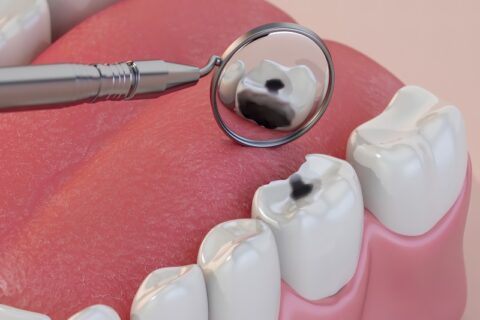
Severe decay can damage a tooth beyond the point where restorative treatment can provide lasting support. As cavities grow deeper, they may reach the inner portion of the tooth and affect the surrounding tissues. This progression often leads to discomfort, sensitivity, and concerns related to tooth pain and extraction. Dental infections may also develop when bacteria enter the tooth and spread beneath the surface. In some situations, removing the affected tooth helps protect nearby teeth and gums while supporting better oral health. A prompt dental evaluation allows our team to identify the cause of your symptoms and recommend the most appropriate treatment for your smile.
Impacted Tooth Symptoms and Wisdom Tooth Problems
Impacted teeth develop when a tooth does not have enough space to emerge properly through the gums. Wisdom teeth are the most common example, and they can affect surrounding teeth, gum tissue, and your overall comfort. Recognizing the symptoms of an impacted tooth can help you seek care before the issue progresses. Here, we compiled some of the most common impacted tooth symptoms:
- Tender or Swollen Gums – Gum tissue around an impacted tooth may become irritated and sensitive. This discomfort can make brushing, flossing, and chewing less comfortable.
- Jaw Discomfort or Pressure – An impacted tooth can place pressure on nearby structures within the mouth. You may notice soreness or tightness near the back of the jaw.
- Difficulty Opening Your Mouth – Inflammation around an impacted tooth can affect normal jaw movement. Everyday activities such as eating and speaking may feel less comfortable.
- Crowding of Nearby Teeth – A tooth trapped beneath the gums may push against neighboring teeth. This pressure can affect alignment and create challenges for oral hygiene.
- Persistent Discomfort Near Wisdom Teeth – Wisdom teeth that cannot erupt properly may cause recurring irritation. A dental examination can help determine whether extraction would benefit your long-term oral health.
What Happens If You Delay a Needed Extraction?
Delaying a recommended tooth extraction can allow the underlying dental problem to progress and affect your overall oral health. A damaged, infected, or severely decayed tooth may continue to cause discomfort and place added stress on nearby teeth and gums. Impacted teeth can exert pressure on surrounding structures and may contribute to alignment concerns. Seeking treatment at the right time helps prevent further complications and supports a more comfortable recovery. Early care allows your dentist to protect your smile and recommend the most effective solution for your long-term dental health.
What to Expect After a Tooth Extraction
Recovery after a tooth extraction typically focuses on allowing the area to heal comfortably and efficiently. Most patients can return to most normal activities within a short period while following their dentist’s aftercare instructions. Mild soreness and sensitivity around the treatment site are common during the early stages of healing. The extraction area gradually fills with healthy tissue as your mouth recovers. Your dentist may recommend specific dietary adjustments and oral hygiene practices to support healing and protect the extraction site. Follow-up care and clear instructions help promote a smooth recovery, allowing you to focus on maintaining a healthy, comfortable smile.
Find Relief for Your Impacted Tooth Symptoms
Recognizing dental extraction signs can help you take an active role in protecting your oral health and avoiding more complex dental concerns. Every smile has unique needs, and a professional evaluation can determine the best path forward for your comfort and long-term wellness. Dentistry By Design provides compassionate care and personalized treatment recommendations for patients in Grand Rapids. If you’re experiencing tooth pain, severe decay, or symptoms related to an impacted tooth, give our team a call to schedule an appointment.
Dental Extraction FAQs
Does a Tooth Extraction Hurt?
Modern dental techniques and anesthetics help keep patients comfortable during the procedure. Most people feel pressure during treatment rather than pain.
How Long Does a Tooth Extraction Take?
Many routine tooth extractions can be completed in less than an hour. The exact length of the procedure depends on the position and condition of the tooth.
How Long Does It Take to Recover From a Tooth Extraction?
Initial healing often occurs within a few days, while the extraction site continues to heal over several weeks. Recovery times vary depending on the complexity of the procedure and the patient’s overall health.
Can a Broken Tooth Require Extraction?
A broken tooth may require extraction if the damage extends beyond what can be repaired with restorative treatment. Your dentist will assess the severity of the fracture and discuss your options.
What are the Signs of Healing After a Tooth Extraction?
Reduced tenderness, improved comfort, and gradual closure of the extraction site are common signs of healing. Regular progress typically indicates the area is recovering as expected.
Why a Small Cavity Is a Big Deal
A tiny cavity can seem easy to put off, especially when your tooth still feels comfortable and looks healthy. What…